This model explains the structure of the plasma membrane. The fluid mosaic model of plasma membrane is the most accepted hypothesis which describes the membranous components and their functions.
The Fluid Mosaic Model Introducing The Cell
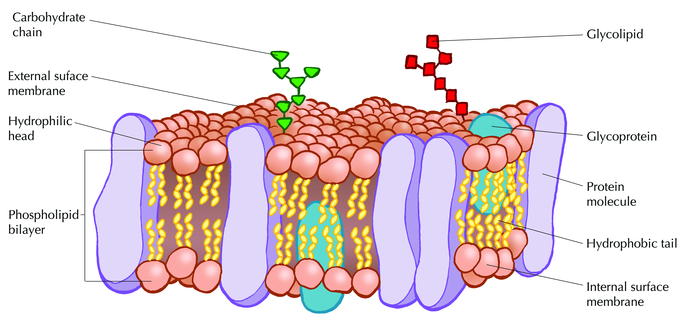
The fluid mosaic model describes the structure of the plasma membrane as a mosaic of components including phospholipids cholesterol proteins and carbohydratesthat gives the membrane a fluid character.

Fluid mosaic structure of plasma membrane. Each layer has two. The fluid mosaic model describes the structure of the plasma membrane as a mosaic of components including phospholipids cholesterol proteins and carbohydratesthat gives the membrane a fluid character. This structure has two layers and is represented in the diagram below.
The extracellular environment is the area outside of the cell. The protoplasm of every living cell is enclosed by a plasma membrane. The fluid mosaic model of the cell membrane is how scientists describe what the cell membrane looks and functions like because it is made up of a bunch of different molecules that are distributed across the membrane.
Plasma membranes range from 5 to 10 nm in thickness. The Fluid Mosaic Model states that membranes are composed of two layers of phospholipids molecules. Cholesterol and proteins are embedded in the bilayer that gives the membrane a mosaic look.
The model has evolved somewhat over time but it still best accounts for the structure and functions of the plasma membrane as we now understand them. Plasma membranes range from 5 to 10 nm in thickness. These components give a fluid character to the membranes.
The fluid-mosaic model describes the plasma membrane of animal cells. According to this biological model there is a lipid bilayer in which protein molecules are embedded. The fluid mosaic model explains various observations regarding the structure of functional cell membranes.
The Fluid Mosaic Model was first proposed in 1972 to explain the structure of the plasma membrane. Small amounts of carbohydrates are also found in the cell membrane. Plasma membranes range from 5 -10 nm in thickness.
The mosaic model of membrane structure describes the structure of the plasma membrane as a mosaic of components including phospholipids proteins carbohydrates cholesterol and proteins that gives the membrane a fluid character. The different patterns on. The Fluid Mosaic Model states that membranes are composed of a Phospholipid Bilayer with various protein molecules floating around within it.
Mosaic refers to the distribution of different materials in the plasma membrane. All cells are enclosed by a cell membrane. The model is consistent with the restrictions imposed by.
The fluid mosaic model describes the physical characteristics of the plasma membrane. According to this model the plasma membrane is similar to a fluid in which various molecules are arranged in a mosaic-like pattern. The fluid mosaic model describes the structure of the plasma membrane as a mosaic of components including phospholipids cholesterol proteins and carbohydratesthat gives the membrane a fluid character.
The biological model which was devised by SJ Singer and G. A fluid mosaic model is presented for the gross organization and structure of the proteins and lipids of biological membranes. Fluid mosaic model was proposed by SJ.
This biology video tutorial discusses the fluid mosaic model of the plasma membrane. For comparison human red blood cells visible via light microscopy are approximately 8 µm wide or approximately 1000 times wider than a plasma membrane. The plasma membrane that surrounds these cells has two layers a bilayer of phospholipids fats with phosphorous attached which at body temperature are like vegetable oil fluid.
Nicolson in 1972 describes the cell membrane as a two-dimensional liquid that restricts the la. The fluid mosaic model is built on earlier hypothesis about membrane structure which postulated that biological membranes were made of a lipid bilayer. Singer and Garth L.
And the structure of the plasma membrane supports the old saying Oil and water dont mix. The fluid mosaic model describes the structure of the plasma membrane as comprised of diverse componentsincluding phospholipids cholesterol proteins and carbohydratesthat are able to flow and change position while maintaining the basic integrity of the membrane. The cell membrane consist of a phospholipid bilayer as well as integral.
The lipid bilayer gives fluidity and elasticity to the membrane. The current model that explains the structure of biological membranes is called the fluid mosaic model. The main biological membrane of a cell is the plasma membrane.
The Fluid part represents how some parts of the membrane can move around freely if they are not attached to other parts of the cell. Plasma membranes made up of phospholipids proteins cholesterol and carbohydrates.