ASTM D975 Standard Specification for Diesel Fuel Oils covers specifications for five grades of diesel fuel oils. A tanker will often carry different grades such as Diesel Unleaded Super unleaded and Super Diesel but it will not carry 2 or 3 different types of Unleaded or Diesel for instance the only variant is the Super or Standard.
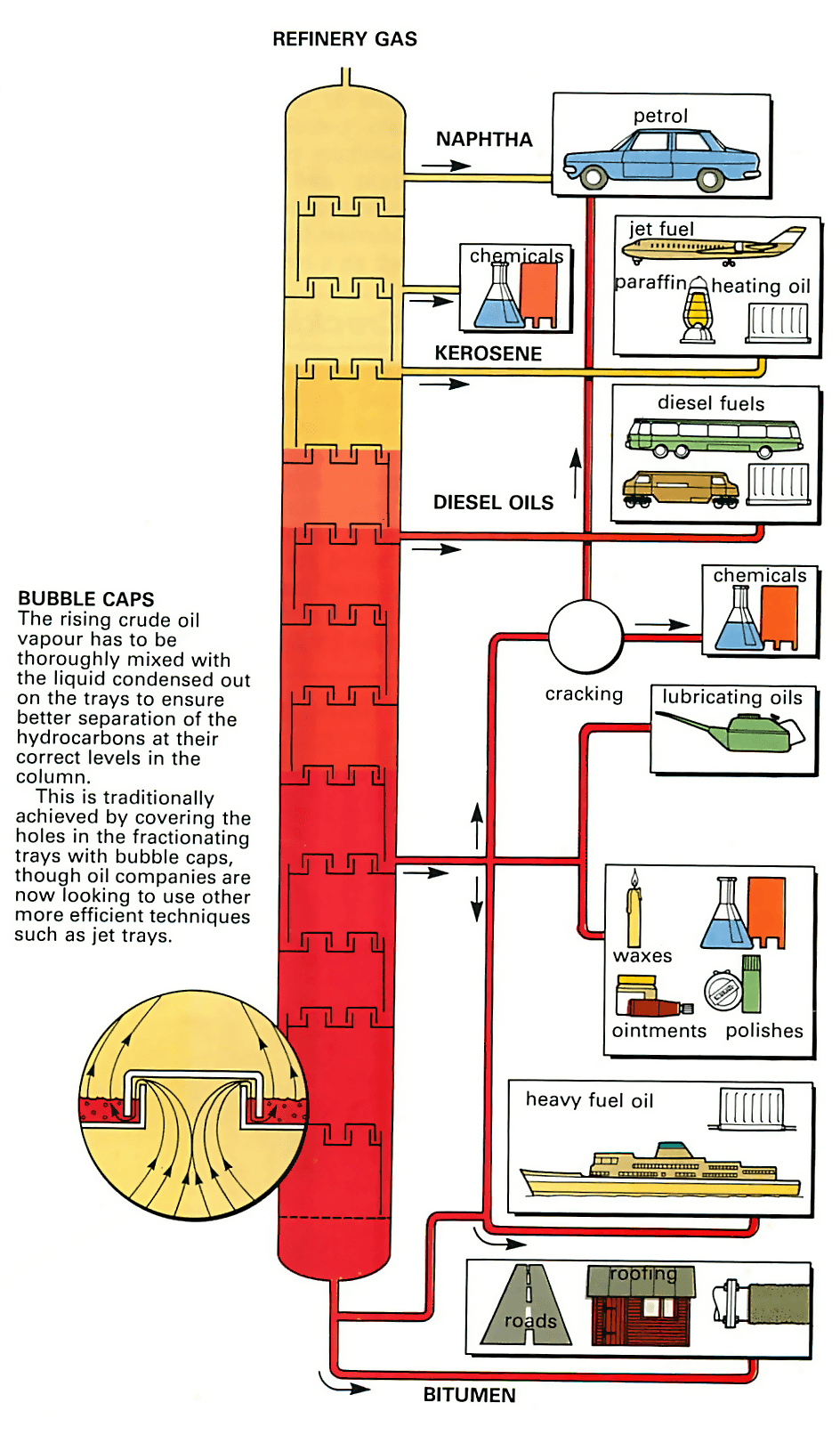
How Car Oil Is Refined How A Car Works
Diesels come a long way since its humble origins and has advanced into different type for different purposes and not all of them are derived from petroleum.
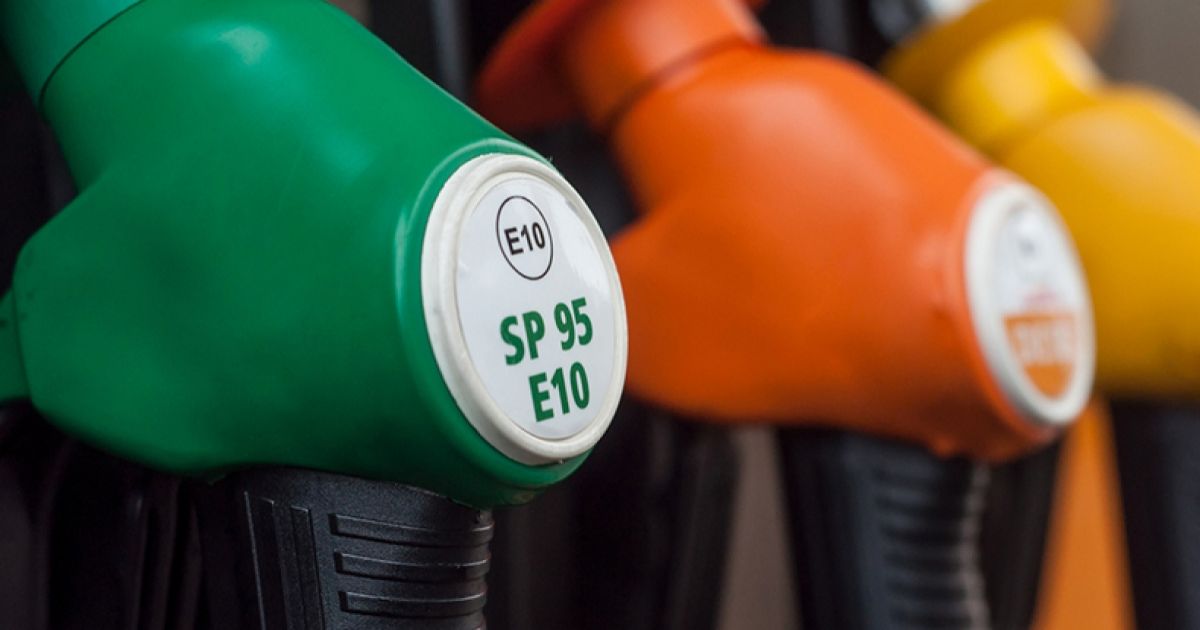
Different grades of diesel. Standing for Liquefied Petroleum Gas LPG is made of butane and propane. All load retail grade base fuel. That is the only reason.
To provide options for different climates the EN 590 standard specifies six Temperature Climate Grades of diesel fuel Grade AF which differ in the CFPP value. A cetane rating or cetane number CN is the rating given to diesel fuel for its combustion. For example 1 grade diesel fuel has lower energy components then its counterpart 2 grade diesel fuel.
Each Member State should detail requirements for a summer and winter grade as well as intermediate or regional grades if needed of diesel fuel. Again the pump itself is usually black but if youre in unfamiliar territory then it is always worth a second glance. It is a reduced duty form of diesel that can be used in untaxed off-road vehicles and machinery such as agricultural industrial and construction machinery.
The Different Types of Diesel Fuel. 1D 1 2D 2 and 4D 4. 1-DA special purpose light distillate fuel for automotive diesel engines requiring low sulfur fuel and requiring higher volatility than that provided by Grade Low Sulfur No.
Most fuel stations only have one type of diesel. The higher the cetane number the more volatile the fuel. I 100 guarantee this.
City diesel and low-sulfur diesel. 2 will also form into a gel in cold weather environments. Diesel 1 and diesel 2.
Diesel fuel is available in two different grades as well as a mix as in cold weather mix of 1 and 2. There is usually less difference in either performance or economy between premium diesel and regular diesel than you get with premium unleaded petrol and regular unleaded for a single tankful. Grade Low Sulfur No.
The one thing that will put most people off using super petrol or super diesel is the higher price of these premium fuels but if you drive a performance car it could be worth your while. To account for different climate conditions the EN 5901993 standard defines six Temperature Climate Grades and five Arctic Grades of diesel fuel as shown in the following tables. Just as gasoline is rated by its octane diesel fuel is rated by its cetane which.
Once deemed too sluggish for your everyday passenger car diesel fuel now powers high-speed sophisticated vehicles that merge efficiency with dynamic driving capability. Standard diesel fuel Standard diesel fuel sometimes called diesel oil comes in two grades. The grades have their own benefits and disadvantages and must give up certain characteristics in order to gain different features.
Diesel 1 or 1-D and Diesel 2 or 2-D. Diesel fuel grade 2 D2. The different grades reflect the.
Most diesel vehicles use fuel with a rating of 40 to 55. Although UK demand has dropped due to some high profile scandals and concerns over diesels environmental impacts common diesel types are regular diesel low sulphur and premium diesel LPG. Its available at most UK fuel stations and is cheaper than petrol and diesel although cars need to be specially converted to run on the gas.
Originally on launch in the UK in July 2010 Shells stated plan was to replace Regular Unleaded also known as Premium Unleaded 95 fuel at all of its UK filling stations with Fuelsave Unleaded. Diesel fuel grade 1 D1. Diesel 1 or 1-D and Diesel 2 or 2-D.
The difference between these classes depends on viscosity the property of a fluid that causes a resistance to the fluids flow and pour point the temperature at which a fluid will flow. A trucker used to have two choices. Winterized varieties of fuel are a blend of diesel light distillates and kerosene.
Red Diesel Gas Oil Grades for Summer and Winter Red diesel also known as gas oil for use in off-road vehiclesmachinery and heating must be manufactured to BS 2869 Class A2. Diesel fuels are broken up into 3 different classes. Diesel Cetane rating explained.
This is usually labelled low sulphur or city diesel But the label doesnt make much difference it will be fine for any modern car or van. Your example is exceeding badly chosen because Shell is the only forecourt petrol supplier in the UK to offer two different grades of 95 Premium Unleaded petrol on its forecourts. And Winterized diesel a blend of 1 and 2 diesel fuels.
In addition there are five Arctic Classes of diesel fuel Class 04 characterized by different properties. As with petrol some. There is often only one type of diesel available at a fuel station and sometimes it.
Understanding The Differences Between Diesel Fuel Types Diesel fuel grades. Standard diesel fuel sometimes called diesel oil comes in two grades. However premium diesel will potentially help your engine run smoother and cleaner which can improve both performance and economy with regular use.
So diesel engines release more harm as compared to gasoline engines. On the highway diesel engines are more efficient than gasoline fueled cars.

Mazda S 2019 Breakthrough A Diesel Engine That Runs On Gasoline Extremetech
Diesel fuel is one of the most efficient and energy dense fuels available today.

Diesel engine vs gasoline engine. In a gasoline engine fuel is mixed with air compressed by pistons and ignited by sparks from spark plugs. Roughly speaking you can expect a diesel engine to last twice as long as a gasoline engine. Like other gasoline engines the 73 can be had with hardened valves so it can be converted to burn propane or natural gas.
Part of the reason for this is the nature of the fuel itself. Between their superior efficiency and the fact that diesel fuel contains 10 to 15 more energy than gasoline diesel engines can go 20 to 35 further on a gallon of fuel than comparable gasoline engines. The first is that diesel has a higher energy density.
To know how these harmful emissions affect your vehicle you can read maintenance tips by auto experts. Both diesel engines and gasoline engines convert fuel into energy through a series of small explosions or combustions. The reason can be many price mileage smoothness but it is prudent to understand the differences between the two engines.
In a gas engine the air and fuel are compressed and at a critical point in the timing of the cycle a spark plug. Diesel engines are still more efficient than gas engines but less so for those who are mostly engaged in city driving. Pressing the gas pedal on a diesel engine however decreases the air to fuel ratio.
The diesel engine releases more N2 than gasoline engines. More fuel is injected comparative to the air taken in creating an increase in horsepower. A gallon of diesel fuel has up to 30 percent more energy than a gallon of gas.
Diesel engines are also built heavier than a gas engine to sustain the added stress of the higher compression ratio. Pros and Cons of Gas Engines. Where diesel and gas engines diverge is how the fuel is ignited inside the engine.
While gas engines are limited in their air to fuel ratio diesel engines can operate in a wide range. The difference between a diesel engine and the gasoline engine is the injection and combustion process. Exhaust systems last longer because diesel fuel exhaust is not as corrosive a gasoline engine exhaust.
There are specific differences between diesel fuel and gasoline. Diesel cars also have more torque which results in better fuel economy. This is because diesel fuel packs more energy than gasoline.
Diesel engines do not have an ignition system so you will never have to give them tune-ups. You may notice that diesel often has a higher price at the pump but this is often made up with more power and more mileage per tank. This means diesel engines will have better fuel economy.
Diesel engines get better fuel economy simply because they do not need to burn as much fuel as a gas engine to get the same power. A diesel engine is about 20 more thermal efficient than a gas engine. This means that diesel fuel has a price advantage when considering fuel economy.
Arguably the most appealing quality of diesel engines is that theyre more-fuel efficient compared to their similar-sized gasoline engine counterparts. The flash point of a gasoline engine is -45F whereas the flash point of a diesel engine is 126F. To be precise it contains about 15 percent more energy by volume than gasoline.
Because it contains more usable energy than gasoline it delivers better fuel economy. Essentially a diesel engine uses a diesel fuel while a gasoline engine uses petrol or gasoline fuel. Nitrogen gas is one of the main ingredients of air emitted by the tailpipe of the vehicles.
In city driving the gap between diesel fuel and gasoline fuel diminishes but diesel holds a small benefit in better mileage. The latest big-block gasoline V-8 is Fords 73-liter model introduced last year as an alternative to the Power Stroke diesel. The current trend is purchasing either a diesel engine or a gasoline engine vehicle.
Diesel engines have more usable energy than gasoline powered engines. One of the most important differences between gas and diesel engines is the thermal efficiency of diesel engines or the work that can be expected to be produced by the fuel put into the engine. Gasoline offers little lubrication action while diesel fuel is more like a thin viscosity oil lubricating every moving part it touches.
As you can see the diesel engine is not as volatile during its combustion stroke because diesel fuel does not mix well with air. Even if the price goes up diesel fuel would have to be 25 to 30 percent more expensive than gas to erase the cost advantage of a diesel engines greater fuel efficiency. Diesel Engine vs Gasoline Engine.
Whether diesel or gasoline powered the four engine strokes are the same but there are key differences as to how the strokes are executed. This directly relates to a 20 increase in fuel economy. The major difference between diesel and gasoline is the way these explosions happen.
Photo courtesy of Ford.